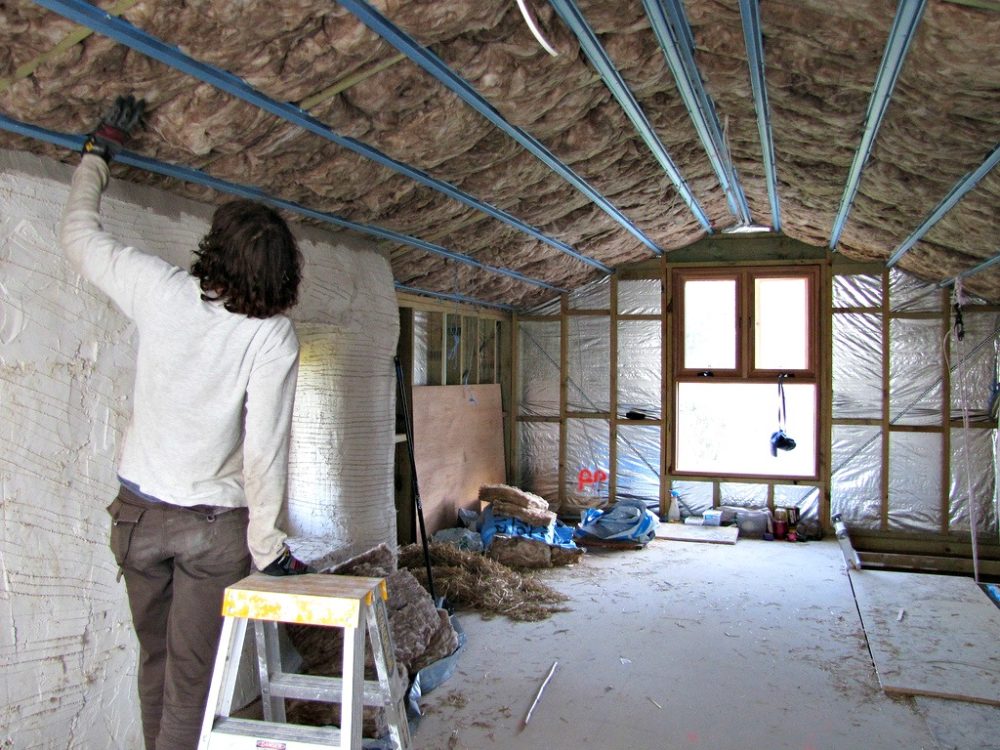
Top 5 Insulation Materials to Choose for a Cozy Home
When it comes to creating a cozy home, choosing the right insulation materials plays a crucial role in maintaining comfortable temperatures year-round. Here are the top 5 insulation materials you should consider:
- Fiberglass Insulation: Known for its affordability and ease of installation, fiberglass insulation is a popular choice among homeowners. It effectively reduces heat transfer, ensuring your home stays warm in the winter and cool in the summer.
- Spray Foam Insulation: This versatile option expands upon application, filling gaps and creating a tight seal that prevents air leaks. It's ideal for attics and hard-to-reach areas.
- Cellulose Insulation: Made from recycled paper products, cellulose is an eco-friendly choice that provides excellent thermal performance and noise reduction.
- Mineral Wool Insulation: Also known as rock wool, this material is fire-resistant and offers great soundproofing qualities, making it perfect for homes in noisy areas.
- Reflective or Radiant Barrier Insulation: Best suited for warmer climates, this material reflects radiant heat away from living spaces, keeping your home cooler and reducing cooling costs.
DIY Insulation: Simple Steps to Reduce Energy Bills
If you're looking to cut down on your energy bills, DIY insulation is an effective and cost-efficient solution. By adding insulation to your home, you can significantly reduce heat loss during the winter and keep your living spaces cooler during the summer. Start by assessing your current insulation levels in areas like attics, walls, and floors. Simple steps such as sealing drafts around windows and doors with weather stripping or caulk can prevent unwanted air leakage. You can also consider using materials like fiberglass batts or foam board insulation for a more comprehensive approach to insulate larger spaces properly.
Once you've prepared your materials, follow these simple steps to install your insulation:
- Measure the areas you want to insulate and cut the insulation to fit snugly.
- Wear protective gear, including gloves and masks, to avoid irritation from insulation materials.
- Install the insulation starting from the top of your attic and working your way down, ensuring there are no gaps for air to escape.
- Seal any ruptures or joints with tape or additional caulk to maintain the integrity of your insulation.
How to Identify and Seal Common Insulation Gaps in Your Home
Identifying insulation gaps in your home is crucial for maintaining energy efficiency and comfort. Start by conducting a thorough inspection of common areas where gaps may occur. These include attics, basements, and around windows and doors. Utilize a flashlight to check for any noticeable gaps or cracks. Additionally, on a windy day, you can use a candle or incense stick near these areas; flickering flames or smoke drifting indicates air movement and potential leaks. It’s recommended to concentrate on areas where two different building materials meet, such as where walls meet ceilings or floors.
Once you have identified the locations of the gaps, sealing them effectively will help improve your home’s insulation. Common materials used for sealing include caulk, foam sealant, or weather-stripping. For smaller gaps, silicone caulk is ideal for exterior use, while latex caulk works well for interior projects. Larger spaces may require expanding foam sealant to fill in the gaps adequately. Remember to follow the manufacturer’s instructions for application for the best results. By sealing these common insulation gaps, you can enhance your home’s energy efficiency, ultimately leading to lower heating and cooling costs.