Top 10 Protein-Packed Foods to Fuel Your Muscle Gains
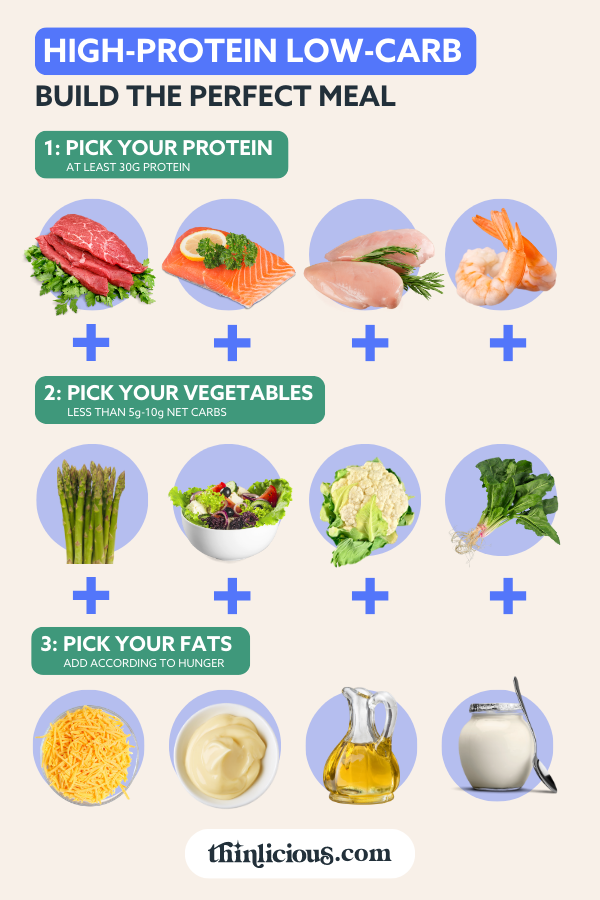
If you're looking to maximize your muscle gains, it’s important to incorporate a variety of protein-packed foods into your diet. Here are the top 10 protein-packed foods that can help fuel your workouts and support recovery:
- Chicken Breast: A staple for many athletes, this lean meat is loaded with protein and low in fat.
- Eggs: Not only a great source of protein, but they also provide essential vitamins and minerals.
- Greek Yogurt: Packed with protein and probiotics, Greek yogurt is perfect for a post-workout snack.
- Quinoa: A complete plant protein, quinoa is ideal for vegans and vegetarians.
- Lentils: High in protein and fiber, lentils are a great meat alternative.
- Beef: A rich source of protein, iron, and creatine, lean cuts provide excellent nutrients for muscle growth.
- Fish: Varieties like salmon and tuna are high in protein and omega-3 fatty acids, essential for joint health.
- Cottage Cheese: With casein protein, it’s a favorite for nighttime recovery.
- Tofu: A versatile protein source for vegetarians and vegans, packed with essential amino acids.
- Chickpeas: Great in salads or as hummus, chickpeas are both protein-rich and easy to digest.
Incorporating these protein-packed foods into your daily meals can make a significant difference in your muscle-building journey. It’s crucial to adjust your intake based on your activity level and fitness goals to get the best results. Remember, a balanced diet combined with regular exercise will yield optimal results in your muscle gains and overall health.
How to Incorporate More Protein into Your Daily Meals
Incorporating more protein into your daily meals can be an enjoyable endeavor that enhances both your diet and your health. Start by evaluating your current meals; identify where you can add protein-rich foods. For breakfast, consider options like scrambled eggs or Greek yogurt, which can both serve as excellent bases to kickstart your day. Snacking is another opportunity to increase your protein intake—try incorporating nuts, cheese sticks, or protein bars to your routine. By being mindful of these small changes, you can significantly boost your daily protein consumption without feeling overwhelmed.
For lunch and dinner, think about incorporating protein-containing ingredients into your main dishes. Lean meats, fish, and legumes like beans or lentils not only provide necessary protein but also add flavor and texture to your meals. Meal prepping can help streamline this process—prepare dishes ahead of time that include a variety of protein sources, ensuring you have healthy options readily available. Additionally, consider replacing some of your traditional carbohydrate sources with higher-protein alternatives; for example, swap regular pasta for chickpea or quinoa pasta. By making these adjustments consistently, you’ll quickly find that meeting your protein needs is simpler than you imagined.
Are You Eating Enough Protein? Discover Your Optimal Intake!
Protein is an essential macronutrient that plays a vital role in nearly every function in our body. From building and repairing tissues to producing enzymes and hormones, eating enough protein is crucial for overall health. But how do you know if you're consuming the right amount? The general recommendation for adults is to aim for a protein intake ranging from 46 to 56 grams per day, depending on factors such as age, sex, and physical activity level. It's important to consider that individual needs can vary significantly, so understanding your unique requirements is key.
To determine your optimal protein intake, consider conducting a simple self-assessment. Here are some steps to guide you:
- Evaluate Your Lifestyle: Are you active, sedentary, or engaging in strength training? Active individuals generally require more protein.
- Calculate Your Needs: A common method is to multiply your body weight in kilograms by a factor of 0.8 to 1.6, based on your activity level.
- Monitor Your Diet: Keep track of your daily protein consumption through food diaries or apps to ensure you're meeting your needs.
By following these steps, you can effectively discover whether you are eating enough protein and adjust your diet accordingly.